







Digital infrastructure is becoming increasingly important in our daily lives. However, technological developments, geopolitical tensions, and climate change are creating new risks for the security, stability, and availability of digital networks.
This is one of the main conclusions of the Trendradar 2026, published by the Rijksinspectie Digitale Infrastructuur (RDI) in the Netherlands.

The report identifies 26 trends that could have a significant impact on digital infrastructure in the coming years. The research was conducted with contributions from 30 experts from the business sector, knowledge institutions, and governmental organizations.
Artificial intelligence brings new opportunities and threats
Artificial intelligence (AI) is one of the most important developments in the report. Systems known as Agentic AI are becoming increasingly capable of analyzing information, making decisions, and performing tasks autonomously.
While this development can improve efficiency in various sectors, it also brings new risks for cybersecurity.
AI can make cyberattacks faster, more advanced, and harder to detect. Additionally, the use of deepfakes and synthetic identities puts trust in digital information under pressure.
New networks can improve connectivity in the Caribbean Netherlands
One of the developments that is particularly relevant for the Caribbean Netherlands is the expansion of three-dimensional digital networks.
This network combines satellites, mobile networks, and high-altitude platforms to improve internet connectivity and coverage.
According to RDI, the added value of this development could be greater on the BES islands than in European Netherlands, where there is already good mobile network coverage.
This technology could contribute to more reliable connections, especially in areas where traditional infrastructure is limited. It could also offer additional capacity during emergencies, natural disasters, or peak demand moments for connectivity.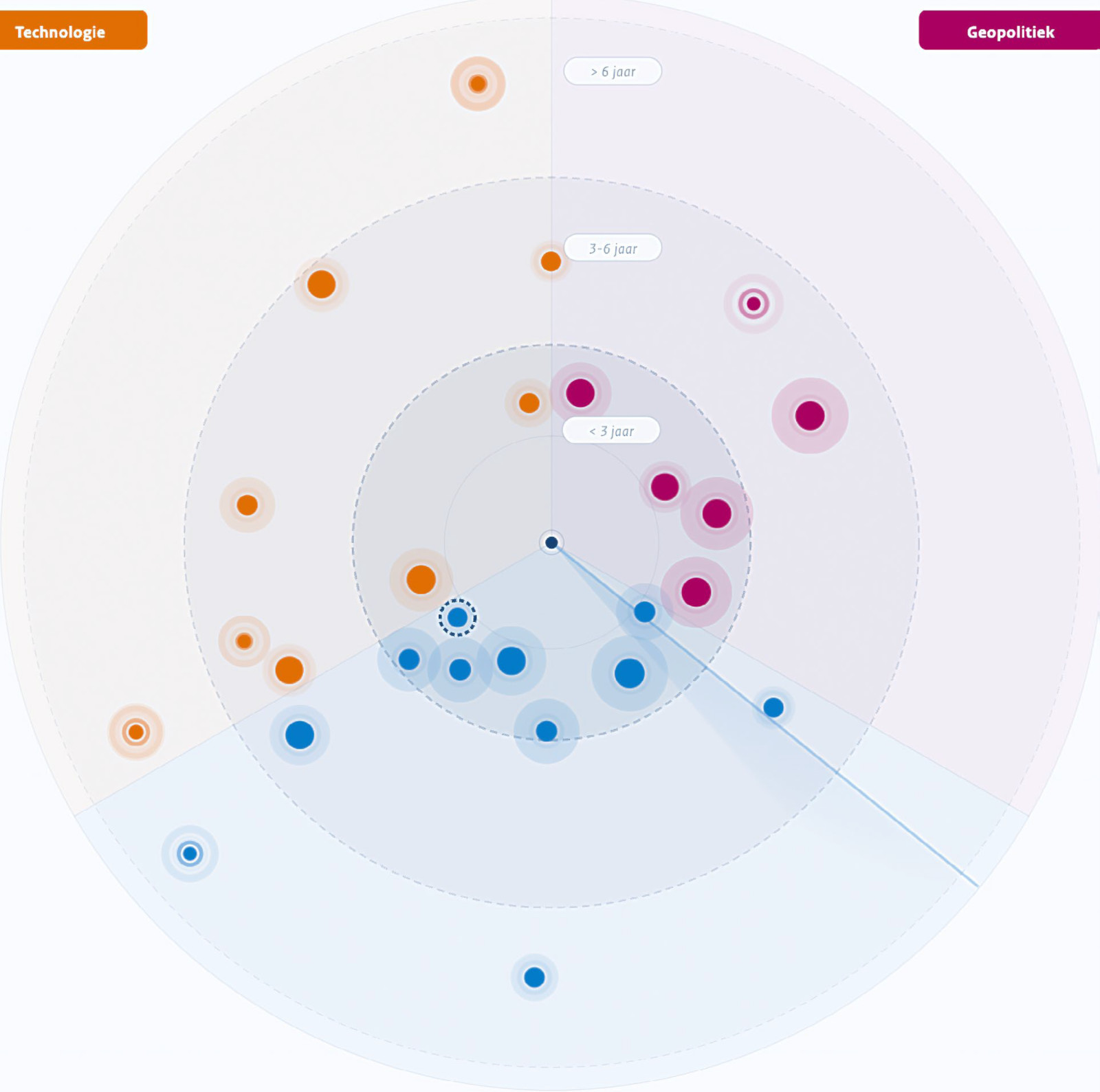
The report also identifies the growing consumption of energy and water as one of the major trends for digital infrastructure.
The expansion of data centers, artificial intelligence, 5G, and future 6G is increasing the need for electricity and water.
At the same time, more extreme climate conditions are increasing the vulnerability of digital infrastructure. This can put communication networks and essential digital services under more pressure.
Cybersecurity is becoming increasingly important
Another concern is the growing complexity of cyberattacks.
According to the report, attacks are increasingly targeting suppliers and small to medium-sized enterprises that are part of the digital supply chain.
Many small businesses have fewer resources to strengthen their security systems. This can put critical infrastructure at greater risk.
RDI also warns about the future impact of quantum computers, which could undermine current encryption methods. For this reason, organizations need to start preparing to implement new security methods that can withstand quantum attacks.
Preparation for a digital future
Trendradar 2026 shows that digital infrastructure requires continuous investment, collaboration, and preparation for the future.
For the Caribbean Netherlands, developments in satellite connectivity, cybersecurity, energy supply resilience, and adaptation to climate change are particularly important.
As our society becomes increasingly dependent on digital services, it is essential to ensure that this infrastructure is available, reliable, and secure for businesses, governments, and residents.
*This article has been automatically translated. While we strive for accuracy, some translations may contain errors.





Loading comments...